901 Castle Shannon Blvd, Pittsburgh, PA 15234



If you’ve been researching cosmetic dental treatments, you’ve probably come across dental bonding. It’s quick, affordable, and surprisingly effective for many common concerns. But dental bonding can’t fix everything—here’s what it actually changes in Pittsburgh patients’ smiles, and what it simply cannot do. Understanding the difference helps you make smarter decisions about your care.
At Pearl Dentistry of South Hills, Dr. Laura Govi believes in giving patients honest information. That means being upfront about what bonding can realistically achieve—and when another treatment might serve you better.
What Dental Bonding Actually Is
Dental bonding is a cosmetic procedure that uses tooth-colored composite resin. Dr. Govi applies it directly to your tooth surface. She then shapes and polishes it to blend naturally with your surrounding teeth.
The process is usually completed in a single visit. No anesthesia is typically needed unless a cavity is involved. It’s one of the most accessible options in Cosmetic Dentistry Pittsburgh has to offer.
Bonding works well because composite resin is highly moldable before it sets. That flexibility gives Dr. Govi precise control over the final shape and contour. However, that same flexibility has limits when deeper structural changes are needed.
What Dental Bonding Can Actually Change in Pittsburgh Smiles
Let’s be specific about what bonding genuinely improves. Here are the most common concerns it addresses effectively:
- Chipped or cracked teeth: Bonding restores the original shape quickly and seamlessly.
- Minor gaps between teeth: Small spaces can be closed without orthodontics.
- Discoloration that doesn’t respond to whitening: Stains from medication or injury can be covered effectively.
- Slightly uneven tooth length: Bonding can lengthen a tooth that appears too short.
- Minor shape irregularities: Pointed or oddly shaped teeth can be smoothed and evened out.
- Small surface cavities: Composite resin doubles as a tooth-colored filling material.
These are real, visible changes that patients in Pittsburgh notice immediately. The results look natural when performed by an experienced provider like Dr. Govi. Most people leave the appointment genuinely pleased with the outcome.
Bonding is also reversible in many cases. Because it doesn’t require removing healthy tooth enamel, it’s considered a conservative treatment option.
What Dental Bonding Cannot Change—And Why That Matters
Here’s where honesty becomes essential. Bonding has clear limitations. Ignoring them leads to disappointment or even poor dental outcomes.
Bonding cannot change your jaw structure. If your bite is misaligned or your jaw sits in an unnatural position, composite resin won’t correct that. Orthodontic treatment or oral surgery would be necessary instead.
It also cannot fix deep bite issues. Overbites, underbites, and crossbites involve the entire jaw and tooth alignment system. Bonding only addresses the surface of individual teeth.
Here are other situations where bonding falls short:
- Severe crowding: Teeth that are significantly overcrowded need orthodontic movement, not surface reshaping.
- Large chips or fractures: Extensive damage may require a crown to protect the tooth structurally.
- Heavily stained enamel across multiple teeth: Veneers or whitening may produce more uniform results.
- Missing teeth: Bonding cannot replace a tooth. Dental implants or bridges are the appropriate solutions.
- Gum disease or decay: Active oral health issues must be resolved before any cosmetic work begins.
This is why Dr. Govi always conducts a thorough evaluation before recommending bonding. Treating cosmetic concerns without addressing underlying health issues creates bigger problems later.
How Bonding Compares to Other Cosmetic Options
Patients often ask how bonding stacks up against veneers or teeth whitening. The answer depends entirely on your specific concern.
Veneers cover the entire front surface of a tooth. They’re more durable and stain-resistant than bonding material. However, they require removing a thin layer of enamel and are a permanent commitment.
Whitening treatments address color only. They don’t change shape, size, or structure. If your concern is purely discoloration from coffee or tea, whitening is often sufficient.
Bonding sits comfortably in the middle. It handles multiple concerns at once—color, shape, and minor gaps—in a single visit. The trade-off is that it’s less durable than veneers and can stain over time with heavy coffee or wine consumption.
For patients dealing with dental pain or injury affecting a tooth, Emergency Dentistry Pittsburgh services are the appropriate first step before pursuing cosmetic treatment.
What to Expect During a Bonding Consultation at Pearl Dentistry of South Hills
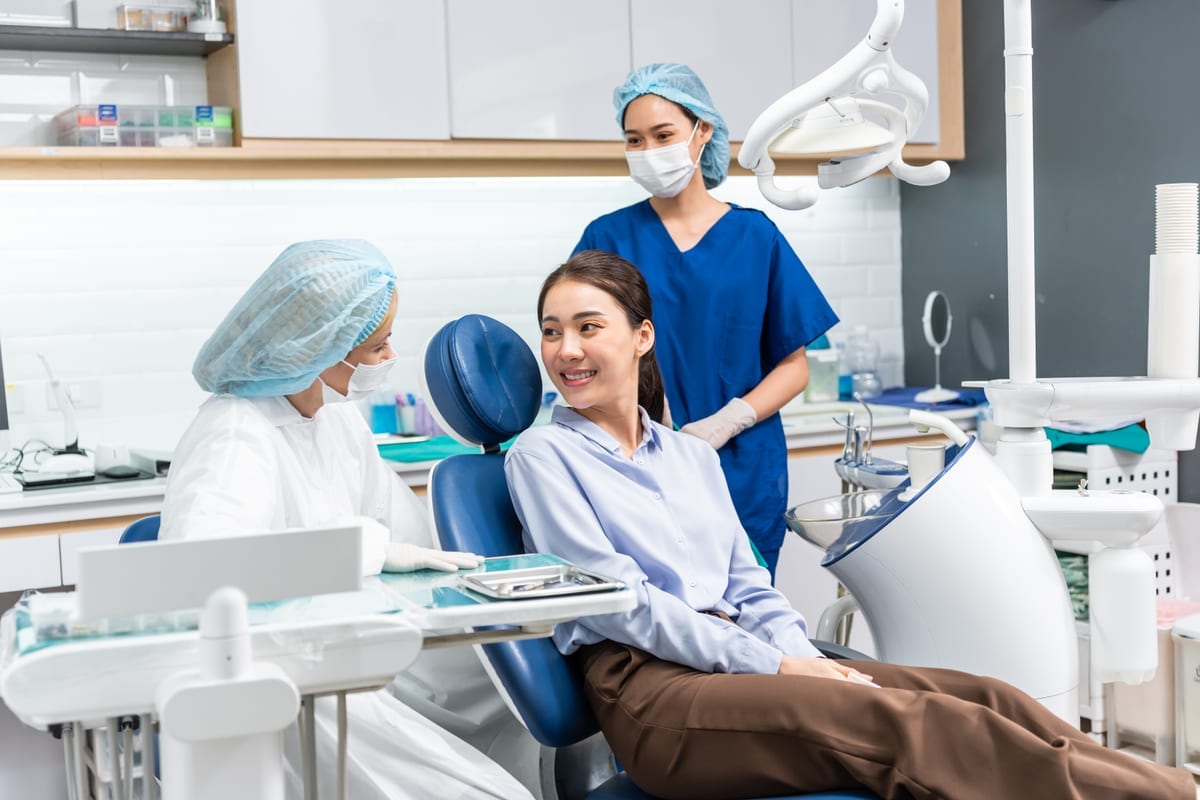
Dr. Govi takes a conservative, patient-centered approach to every consultation. She won’t recommend bonding simply because you asked for it. She’ll assess whether it’s truly the right fit for your situation.
During your visit, she’ll examine your teeth, gums, and bite. She’ll also discuss your goals openly. If bonding can achieve what you’re hoping for, she’ll walk you through the process in detail.
If another treatment would serve you better, she’ll explain why clearly and without pressure. That kind of honest guidance is what makes a real difference in long-term outcomes.
The bonding procedure itself is straightforward. Dr. Govi selects a resin shade that matches your natural teeth. She applies it in layers, shaping each one carefully before curing it with a special light. The final step involves polishing to achieve a smooth, natural finish.
Conclusion: Realistic Expectations Lead to Real Satisfaction
Dental bonding is a genuinely valuable tool. It improves smiles every day for patients across Pittsburgh. But it works best when patients understand what it can and cannot accomplish. Shape, color, and minor symmetry issues are well within its reach. Jaw structure, deep bite problems, and significant misalignment are not. Dr. Laura Govi and the team at Pearl Dentistry of South Hills are committed to helping you choose treatments that deliver results you’ll actually love. Book Now to schedule your appointment with our team.
Frequently Asked Questions
How long does dental bonding last?
Dental bonding typically lasts between three and ten years. Longevity depends on where the bonding is placed, your bite, and your habits. Avoiding hard foods and limiting staining beverages like coffee helps extend results.
Is dental bonding painful?
Most patients experience little to no discomfort during dental bonding. Anesthesia is not usually required unless the procedure involves a decayed area. Many people find it one of the most comfortable cosmetic treatments available.
Can bonding fix a crooked tooth?
Bonding can improve the appearance of a slightly irregular tooth. However, it cannot correct true crookedness caused by misalignment. For significantly crooked teeth, orthodontic treatment is the more appropriate solution.
Does dental bonding stain easily?
Composite resin is more porous than natural enamel or porcelain. It can pick up staining from coffee, tea, red wine, and tobacco over time. Polishing during regular cleanings helps minimize surface staining.
Is dental bonding a good option for children?
Bonding can be appropriate for children with chipped or damaged teeth. However, Dr. Govi evaluates each young patient individually through our Pediatric Dentistry services. Growing mouths change over time, so the treatment plan must account for ongoing development.