901 Castle Shannon Blvd, Pittsburgh, PA 15234


Are you a diabetic considering dental implants, but wondering how your condition might affect the success of surgery? You’re not alone in this concern! Many diabetics ask whether they can get dental implants and if their blood sugar levels could interfere with the procedure.
Dental implants are a long-lasting and effective solution for replacing missing teeth, offering superior aesthetics and functionality compared to dentures or bridges. However, if you’re diabetic, you may wonder if your condition could impact the healing process. Diabetes can affect how your body responds to surgery and its ability to heal properly, making it essential to carefully manage your blood sugar levels before and after the procedure.
This blog aims to guide patients with diabetes through the key factors affecting dental implant success and to offer actionable steps to manage their diabetes for a smooth surgical experience.
Understanding Dental Implants
What Are Dental Implants?
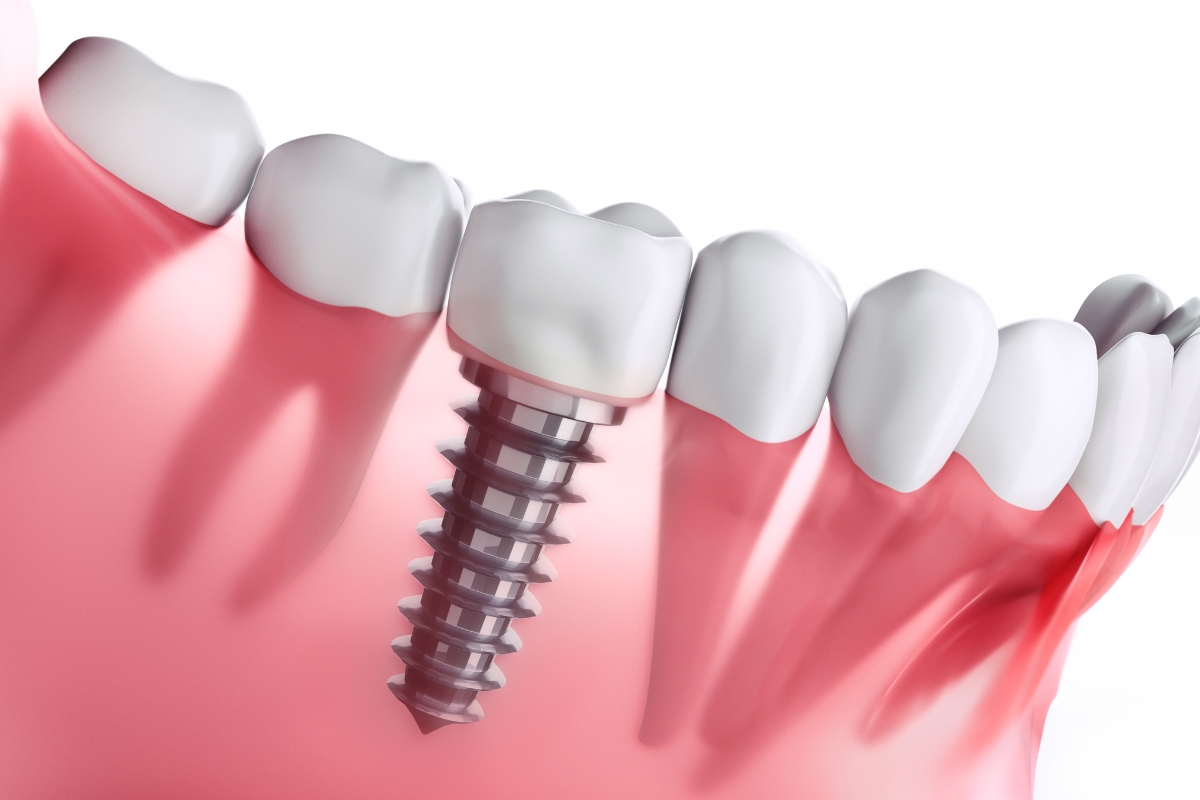
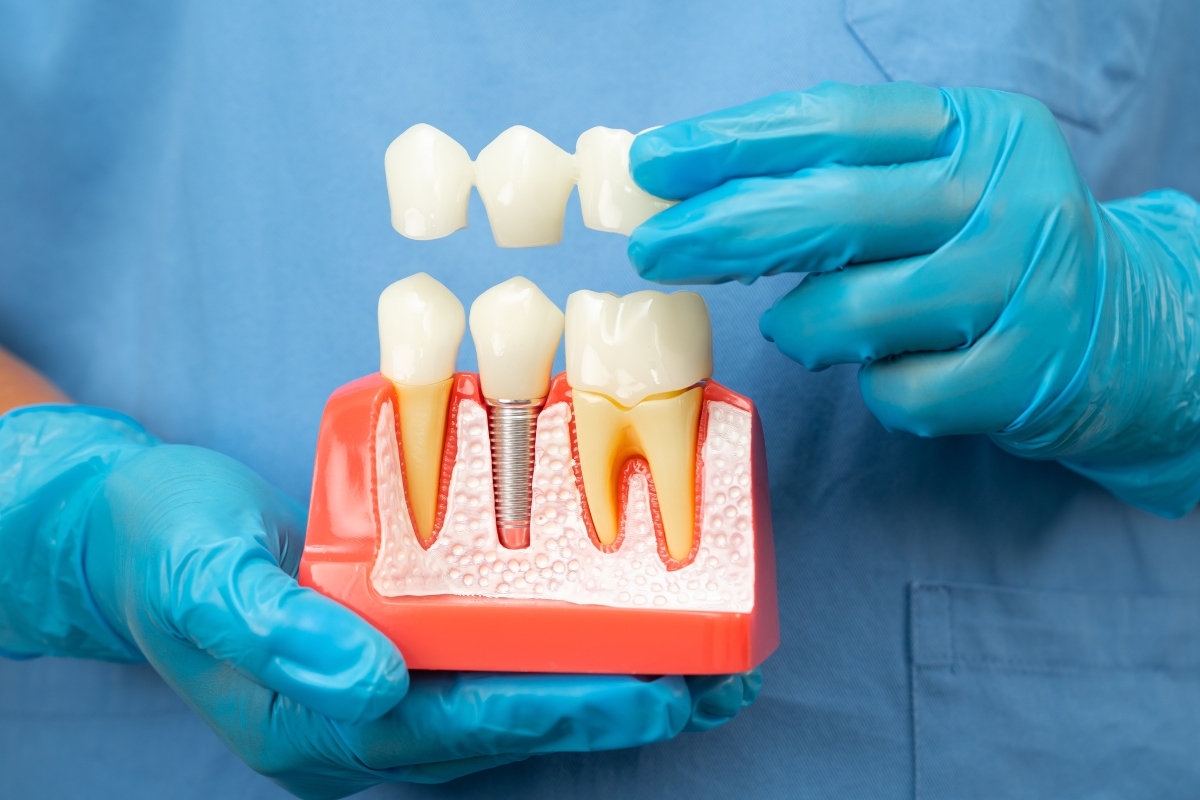
Dental implants are titanium posts surgically inserted into your jawbone to replace missing teeth. They act as a strong foundation for replacement teeth, offering a natural look and feel. The procedure typically involves placing the implant, allowing it to fuse with the bone (a process known as osseointegration), and then attaching a crown or bridge on top.
Why Choose Implants?
Implants provide a long-term solution for missing teeth, unlike dentures that may need to be replaced over time. Here are some benefits:
- Stability: Implants are anchored securely to your jawbone, making them far more stable than removable dentures or bridges.
- Functionality: They restore the full function of your teeth, allowing you to eat, speak, and smile confidently.
- Aesthetics: Implants are designed to match the appearance of your natural teeth, offering a seamless and attractive result.
- Bone Preservation: Since implants integrate with the jawbone, they help prevent bone loss, which often occurs with missing teeth.
While implants are the gold standard for tooth replacement, it’s important to understand how certain conditions, like diabetes, can affect the healing process and the long-term success of the procedure.
How Diabetes Can Affect Dental Implant Surgery
Diabetes and Healing
Diabetes, especially when poorly controlled, can significantly affect the body’s ability to heal after surgery, including dental implant surgery. When blood sugar levels are high, the body struggles to repair itself effectively, leading to delayed or inadequate healing of tissues.
For dental implant surgery, proper healing is essential as it involves the integration of the implant with the jawbone, a process called osseointegration. If your body cannot heal properly due to uncontrolled diabetes, the implant may fail to fuse with the bone, leading to implant instability and potential failure.
In addition, elevated blood sugar levels can impair the function of white blood cells, which are crucial in fighting off infections. As a result, wounds may take longer to heal, and surgical sites may remain more vulnerable to complications. Properly managing your blood sugar before and after surgery is key to ensuring that your body can heal efficiently and that your dental implants in South Hills are secure.
Blood Sugar Levels and Infection Risk
One of the most significant risks for diabetics undergoing dental implant surgery is the increased likelihood of infections. Uncontrolled blood sugar levels can impair your immune system’s ability to fight off bacteria, making you more susceptible to infections. Infection at the surgical site can severely affect the healing process and, in some cases, may lead to implant failure.
Diabetic patients with high blood sugar levels are at a higher risk of developing infections, both during and after surgery. This is particularly concerning for dental implant procedures because the area where the implant is placed is vulnerable to bacterial invasion. If an infection occurs, it can cause inflammation, pain, and swelling, all of which can interfere with the healing process and may necessitate further interventions.
Furthermore, when blood sugar levels remain high, they can alter the balance of bacteria in the mouth, potentially increasing the risk of gum disease. Healthy gums are essential for the successful placement and integration of dental implants. If gum health is compromised due to uncontrolled diabetes, it can lead to peri-implantitis (inflammation of the tissue around the implant), which can further jeopardize the success of the implant.
Delayed Healing and Bone Integration
Another crucial aspect affected by diabetes is the process of osseointegration, the fusion of the dental implant with the surrounding bone. When blood sugar levels fluctuate, it can significantly delay this process, preventing the implant from securely integrating with the jawbone. Osseointegration is the foundation of dental implant success, as it ensures that the implant remains stable and functional over time.
In people with diabetes, fluctuating blood sugar levels can cause issues with bone metabolism. This can result in reduced bone density or slower bone healing, both of which can prevent the implant from properly fusing with the bone. Without this successful fusion, the implant is more likely to fail or become loose over time. As such, ensuring that blood sugar levels are well-managed before the procedure and throughout the healing process is vital for successful osseointegration.
The combination of slower healing, increased infection risk, and delayed osseointegration underscores the importance of managing diabetes when considering dental implants. By maintaining stable blood sugar levels before, during, and after surgery, diabetics can increase the chances of a successful outcome and avoid complications that could affect the implant’s longevity.
Managing Diabetes for Implant Surgery
Blood Sugar Control Before Surgery
Proper blood sugar control is vital in preparing for dental implant surgery. Here are some tips to manage your blood sugar levels:
- Diet: Eat a balanced diet rich in fiber, lean proteins, and healthy fats. Avoid high-sugar foods and simple carbohydrates.
- Exercise: Regular physical activity helps regulate blood sugar levels and promotes overall health.
- Medication: Work with your healthcare provider to ensure your diabetes medications are adjusted appropriately before surgery.
Monitoring and Adjusting Medications
Before your implant surgery, consult with both your dentist and endocrinologist to review your current medications. Your doctor may need to adjust your insulin or other medications around the time of surgery to ensure optimal blood sugar control.
Pre- and Post-Surgery Care
- Pre-Surgery: Ensure your blood sugar is well-controlled before the surgery. This may require more frequent monitoring leading up to the procedure.
- Post-Surgery: After surgery, it’s important to continue monitoring your blood sugar levels and keep them within the target range. Consistent blood sugar levels help prevent infections and ensure proper healing. Follow all post-surgical instructions from your dentist to reduce the risks of complications.
Consulting with Your Dentist and Healthcare Providers
The Importance of a Collaborative Approach
To achieve the best results, it’s essential to have open communication between your dentist, primary care physician, and endocrinologist. This ensures that all aspects of your health are considered, and your diabetes management is aligned with your dental care.
Questions to Ask Your Dentist
If you have diabetes and are considering dental implants in South Hills, here are some questions to ask your dentist:
- “What steps will you take to monitor my healing process?”
- “Are there any special precautions I need to take because of my diabetes?”
- “How will my blood sugar levels impact the timing of the procedure?”
- “What can I do before surgery to ensure the best possible outcome?”
Having a well-coordinated team helps optimize your health and increases the chances of a successful dental implant procedure.
Diabetes can present unique challenges for dental implant patients, but with proper management of blood sugar levels, many individuals with diabetes can enjoy the benefits of dental implants. Ensuring stable blood sugar, maintaining regular communication with your healthcare providers, and following pre- and post-surgical care recommendations are critical for success.
If you’re diabetic and considering dental implants, don’t hesitate to reach out to Pearl Dentistry of South Hills. Our team is here to guide you through the process and ensure that your implants are a lasting, successful solution. Book an appointment today to discuss how we can help restore your smile with dental implants tailored to your needs.
People Also Ask
How long will it take to heal after dental implant surgery if I have diabetes?
Healing times may be longer for diabetics, as uncontrolled blood sugar can slow down the body’s ability to repair tissues. It’s important to keep blood sugar stable throughout the recovery process.
What role does diet play in preparing for dental implant surgery with diabetes?
A balanced diet, rich in nutrients and low in sugars, can help maintain stable blood sugar levels and improve healing after surgery.
Can smoking affect the success of dental implants for diabetics?
Yes, smoking can reduce blood flow and impair healing, increasing the risk of complications and implant failure, especially for diabetics.
Is it necessary to take antibiotics before dental implant surgery if I have diabetes?
Your dentist may recommend antibiotics before surgery to reduce the risk of infection, especially for diabetic patients who are more susceptible.
Can I eat normally after getting dental implants if I have diabetes?
Once healing has progressed, most patients can eat normally. However, you should avoid hard or sticky foods that could damage the implant or interfere with healing during the recovery period.