901 Castle Shannon Blvd, Pittsburgh, PA 15234


Many Pittsburgh patients ask the same question before their first consultation: am I actually a good fit for veneers? If you’re wondering whether you qualify as a candidate for dental veneers in Pittsburgh, you’re already thinking like a smart patient. Veneers can transform a smile — but they’re not the right solution for everyone. This self-screening guide will help you understand what dentists like Dr. Laura Govi at Pearl Dentistry of South Hills look for before recommending this treatment.
What Are Dental Veneers and Who Are They Designed For?
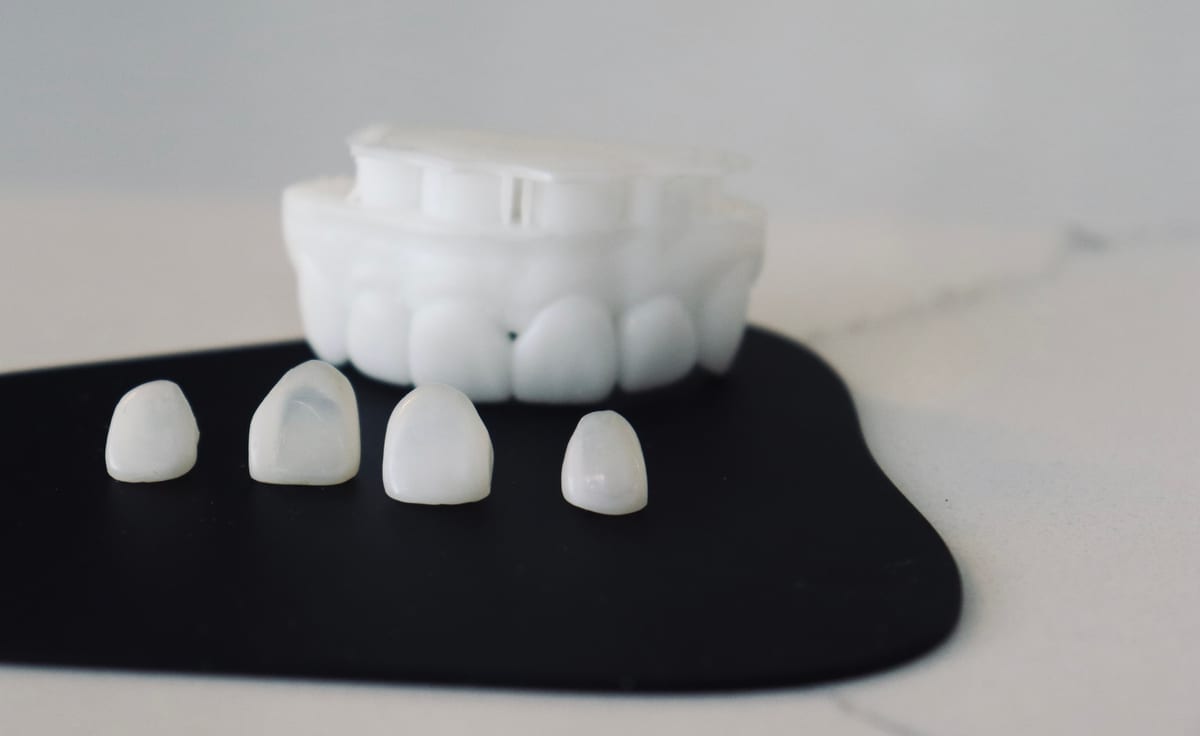
Dental veneers are thin porcelain or composite shells. They bond directly to the front surface of your teeth. They’re part of a broader Cosmetic Dentistry Pittsburgh approach that focuses on improving the appearance of your smile.
Veneers address several common cosmetic concerns. These include staining that doesn’t respond to whitening, chipped or worn edges, minor gaps, and slightly uneven teeth. They are not a structural repair — they are a cosmetic overlay.
Understanding this distinction matters. If your teeth have deeper structural problems, veneers may not be the right first step. A complete dental evaluation helps determine whether veneers or another restorative option is more appropriate for your situation.
Self-Screening Checklist: Are You a Veneer Candidate in Pittsburgh?
Before your consultation, run through this honest self-assessment. It won’t replace a clinical exam, but it will help you walk in informed and prepared.
1. Check Your Tooth Structure
Veneers require adequate enamel on your teeth. The dentist removes a thin layer of enamel before bonding the veneer. If your enamel is already thin or severely worn, there may not be enough tooth surface to work with.
You should have healthy, intact tooth structure. Teeth that are severely decayed or heavily filled may need crowns instead. A candidate for veneers typically has most of the natural tooth still intact and healthy.
2. Evaluate Your Gum Health
Healthy gums are non-negotiable before getting veneers. Inflamed, receding, or infected gum tissue will compromise both the placement and the longevity of your veneers. Veneer edges sit at or just below the gumline — gum disease makes proper placement nearly impossible.
If you have signs of gum disease, that condition must be treated first. Pearl Dentistry of South Hills offers Gum Disease Treatment to address this before any cosmetic work begins. Skipping this step risks early veneer failure and further damage to your smile.
3. Consider Your Bite
How your teeth come together plays a major role in veneer success. A deep overbite, severe crossbite, or misaligned jaw puts extra stress on veneers. That stress can cause chipping or premature wear.
Patients with significant bite issues may need orthodontic treatment first. In some cases, a minor bite discrepancy won’t disqualify you — Dr. Govi will assess this during your exam. The goal is always long-term results, not just short-term aesthetics.
4. Assess Your Daily Habits
Certain habits directly affect whether veneers are a smart investment for you. Be honest with yourself about the following before your appointment.
- Teeth grinding or clenching (bruxism): This habit wears down veneers quickly. A night guard may be needed first.
- Nail biting or chewing on hard objects: These behaviors risk chipping the veneer surface.
- Tobacco use: Smoking can stain composite veneers and negatively affect gum health over time.
- Poor oral hygiene: Veneers require the same daily care as natural teeth — brushing, flossing, and regular cleanings.
None of these habits automatically disqualify you. But they are factors Dr. Govi will discuss with you honestly during your consultation.
What Happens During a Veneer Candidacy Evaluation at Pearl Dentistry of South Hills?
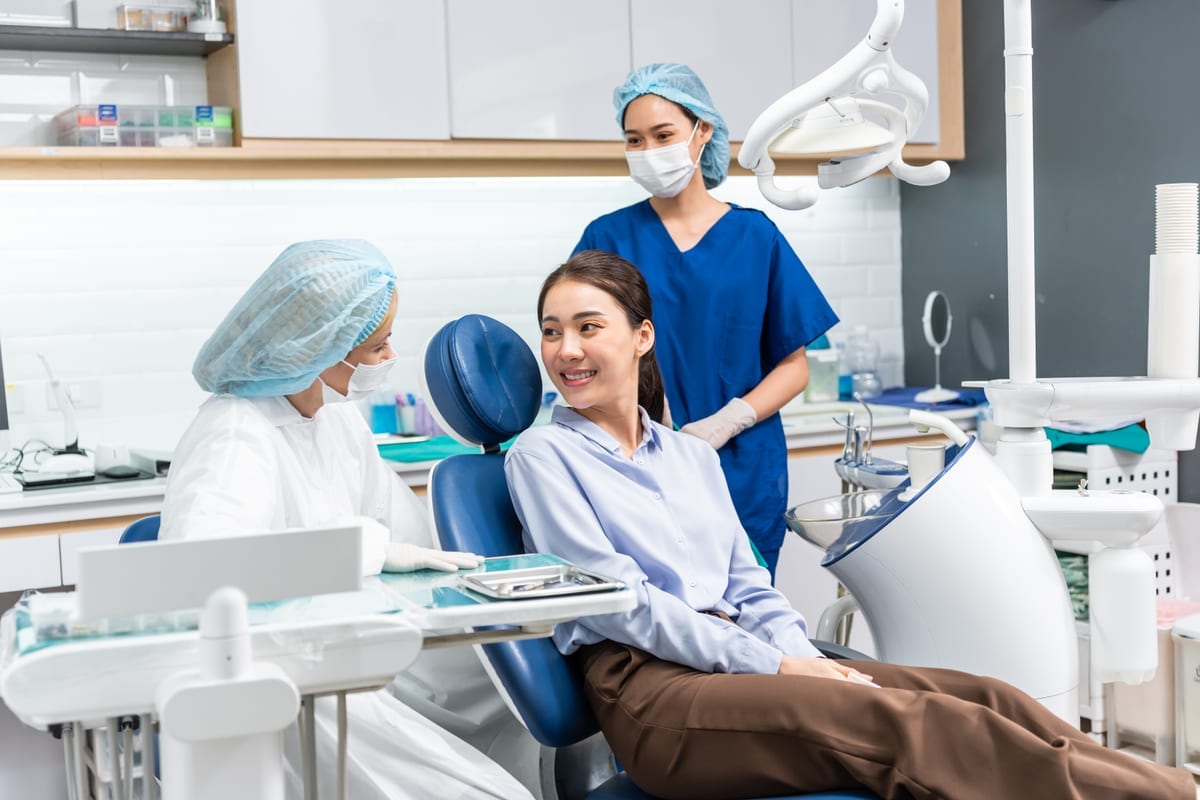
When you come in for a veneer consultation, Dr. Govi takes a comprehensive approach. She doesn’t just look at your smile from the outside. She examines the full picture of your oral health.
Here’s what a typical candidacy evaluation includes:
- Digital X-rays to assess bone levels and underlying tooth health
- Gum assessment to check for signs of periodontal disease or recession
- Bite analysis to identify any jaw alignment concerns
- Tooth surface review to confirm adequate enamel exists for bonding
- Discussion of your goals so treatment truly matches your expectations
This thorough process protects you as a patient. It ensures that your veneers will look great and last as long as possible.
When Veneers Might Not Be the Right Fit — And What Comes Next
Not every patient who wants veneers is ready for them right away. That’s not a dead end — it’s just a different starting point. In many cases, addressing underlying issues first leads to far better long-term outcomes.
Patients who grind their teeth may start with a custom night guard. Those with gum disease begin with a professional deep cleaning. Patients with bite problems may benefit from a referral for orthodontic evaluation.
If a dental emergency arises during this process — a cracked tooth, severe pain, or sudden damage — Emergency Dentistry Pittsburgh services are available to address urgent needs before cosmetic work resumes.
Being told you need to wait doesn’t mean veneers are off the table. It means your dentist is prioritizing your health over a quick cosmetic fix. That’s the kind of care you should expect and deserve.
Benefits of Veneers When You’re the Right Candidate
When the conditions are right, veneers offer outstanding, lasting results. Here’s a quick summary of what well-placed veneers can do for the right patient:
- Cover deep staining that resists whitening treatments
- Restore the appearance of chipped or worn tooth edges
- Close minor gaps between teeth without orthodontics
- Create a uniform, symmetrical smile line
- Deliver results that last 10–15 years with proper care
- Provide a natural-looking finish that blends seamlessly with surrounding teeth
These benefits are meaningful — but only when candidacy criteria are met. Rushing into veneers without proper screening can lead to complications that cost more to fix than the original problem.
Ready to Find Out If You Qualify?
The most reliable way to know whether you’re a candidate for dental veneers in Pittsburgh is to sit down with an experienced dentist. Dr. Laura Govi at Pearl Dentistry of South Hills evaluates each patient individually. There’s no one-size-fits-all answer — and that’s exactly the point. A personalized consultation gives you clear answers, realistic expectations, and a plan that actually fits your smile and your health. Book Now to schedule your appointment with our team.
Frequently Asked Questions
Can I get veneers if I have a few small cavities?
Cavities must be treated before veneers are placed. Applying a veneer over a decayed tooth traps the decay and accelerates damage. Dr. Govi will identify and restore any cavities during your candidacy evaluation before moving forward with cosmetic treatment.
Do I need perfectly straight teeth to get veneers?
Not necessarily. Veneers can visually correct mild crowding or minor misalignment. However, significant orthodontic issues should be addressed first. Your dentist will evaluate whether the degree of misalignment affects veneer placement, longevity, or bite function.
How long do dental veneers last?
Porcelain veneers typically last 10 to 15 years with good oral hygiene and regular dental visits. Composite veneers have a shorter lifespan, usually 5 to 7 years. Habits like grinding, nail biting, or skipping cleanings can shorten that timeline significantly.
Is the veneer process reversible?
Veneers are considered a permanent treatment because a small amount of enamel is removed before placement. That enamel does not grow back. This is why candidacy screening is so important — it ensures you’re making a well-informed, long-term decision.
What if I grind my teeth — can I still get veneers?
Bruxism doesn’t automatically disqualify you from getting veneers. Many patients with grinding habits wear a custom night guard to protect their veneers. Dr. Govi will discuss this during your consultation and recommend the right protective plan if grinding is a concern for you.