901 Castle Shannon Blvd, Pittsburgh, PA 15234


Few things in dentistry escalate as quickly or as painfully as a dental abscess. The throbbing is relentless. It radiates into the jaw, the ear, and sometimes the neck. Swallowing feels different. Sleep is nearly impossible. And the anxiety of not knowing what’s happening inside your mouth makes everything worse. If you’re dealing with this right now, you need two things: something to get you through the next few hours and a clear understanding of what actually has to happen to stop it.
The team at Pearl Dentistry of South Hills serves patients across the Pittsburgh area, and an emergency dentist in Pittsburgh who can see you the same day is the fastest legitimate path to real relief. Home remedies can take the edge off temporarily, but they don’t treat infection, and a dental abscess is an infection that will keep spreading until the source is addressed.
What a Dental Abscess Is
A dental abscess is a localized collection of pus caused by a bacterial infection. It forms when bacteria breach the tooth through untreated decay, a crack, a failing restoration, or advanced gum disease and reach the inner pulp tissue or the surrounding bone and gum. Once the infection takes hold, the body responds with inflammation and sends immune cells to fight back. Pus accumulates as a byproduct of that fight.
There are two primary types. A periapical abscess forms at the tip of the tooth root and is almost always caused by pulp infection from untreated decay or trauma. A periodontal abscess originates in the gum and supporting bone structure, typically associated with gum disease. Both are serious. Both require professional treatment. And both cause the kind of pain that makes it impossible to pretend it will sort itself out.
According to the American Dental Association, dental pain, including that caused by abscesses, accounts for a significant portion of unplanned emergency room visits in the US each year, most of which result in antibiotics without definitive dental treatment. An ER can manage symptoms. Only an emergency dentist in Pittsburgh can fix the problem.
Warning Signs That Require Same-Day Attention
Not every toothache is an emergency, but a dental abscess almost always is. These symptoms mean you should call a dentist immediately:
- Severe, throbbing pain that doesn’t let up, even with over-the-counter pain medication
- Visible swelling in the face, cheek, jaw, or neck
- Fever, chills, or a general feeling of being unwell, alongside tooth or jaw pain
- Difficulty swallowing or opening your mouth fully
- A bad taste in the mouth that arrived suddenly, which may indicate the abscess has ruptured and begun draining
Swelling that spreads into the neck or causes difficulty breathing is a medical emergency. Go to an emergency room immediately – this can indicate Ludwig’s angina, a potentially life-threatening spread of infection into the floor of the mouth.
What You Can Do Right Now While You Wait for an Appointment
These measures won’t treat the infection, but they can make the next few hours more manageable while you arrange to be seen:
Over-the-Counter Pain Relief
Ibuprofen is generally more effective for dental pain than acetaminophen because it addresses both pain and inflammation. Just do not exceed recommended doses.
Saltwater Rinse
A warm saltwater rinse (half a teaspoon of salt dissolved in eight ounces of warm water) can help reduce oral bacteria and provide mild temporary relief. Rinse gently for 30 seconds and spit. This won’t treat the infection, but it keeps the area cleaner and can reduce surface irritation slightly.
Cold Compress
Applying a cold pack to the outside of your jaw for 20 minutes on, 20 minutes off can help reduce swelling and numb the area slightly. Don’t apply ice directly to skin. This is a temporary comfort measure — it does nothing to the underlying infection.
Clove Oil
Eugenol (the active compound in clove oil) has documented local anesthetic and antimicrobial properties. Applying a small amount of clove oil to a cotton ball and holding it gently against the painful area can provide short-term numbing. Avoid applying it directly to gum tissue in large amounts, as it can irritate at higher concentrations.
None of these approaches addresses the bacterial source of the abscess. They’re bridges, not solutions. The infection will continue without professional intervention.
What Happens When You See the Dentist
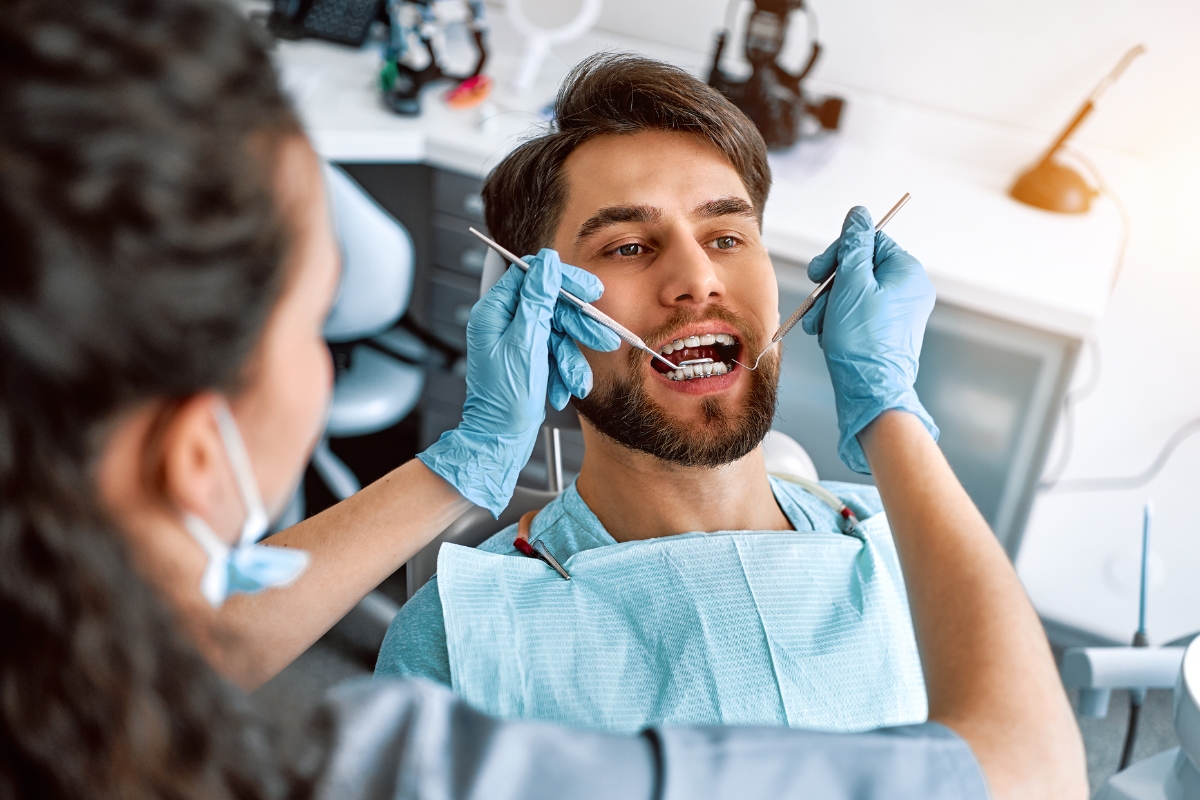
Treatment depends on whether the abscess originates from the tooth pulp or the surrounding gum and bone. For a periapical abscess, the definitive treatment is either root canal therapy – removing the infected pulp, disinfecting the root canals, and sealing the tooth, or extraction if the tooth can’t be saved. For a periodontal abscess, the dentist drains the pus, cleans the affected pocket, and addresses the underlying gum disease.
In many emergency cases, the dentist will also prescribe antibiotics to manage spreading infection, or if the patient has a fever. But antibiotics alone are never the answer. Research shows that antibiotics without definitive dental treatment lead to recurrence. The source of infection must be eliminated.
Pain relief after treatment is typically significant and fast. Most patients feel substantially better within 24 to 48 hours of the procedure once the infected tissue or drainage has been addressed.
Dental abscesses don’t improve on their own, and the longer treatment is delayed, the more the infection can spread. Saving the tooth, stopping the pain, and protecting your overall health all point to the same action: getting seen today.
Call Pearl Dentistry of South Hills now to request an emergency appointment. The team prioritizes urgent cases and will work to get you in the same day. You can also book online — but if your symptoms include facial swelling, fever, or difficulty swallowing, call directly so the team can triage your case appropriately.
People Also Ask
Can a dental abscess spread to other parts of the body?
Yes. While most dental abscesses remain localized, the infection can spread through the surrounding bone and soft tissue into the jaw, neck, chest, and in rare cases, the bloodstream — a condition called septicemia. The most serious complication is Ludwig’s angina, where infection spreads to the floor of the mouth and can compromise the airway. Any swelling that extends below the jawline, causes difficulty breathing or swallowing, or is accompanied by high fever requires emergency room evaluation, not just a dentist appointment.
Why does dental abscess pain get worse at night?
Several factors contribute to increased dental pain at night. When you lie down, blood pressure in the head increases slightly, which can intensify throbbing at an infected site. There are also fewer distractions at night, which makes pain perception more acute. Additionally, the body’s natural anti-inflammatory cortisol levels drop during sleep, which can allow inflammatory processes — including those around an abscess — to intensify. Sleeping with your head slightly elevated can help reduce blood pressure-related throbbing.
Is it safe to pop a dental abscess at home?
No. Attempting to drain an abscess at home introduces additional bacteria to an already infected site, risks pushing the infection deeper into tissue, and provides only momentary pressure relief without treating the underlying cause. If an abscess ruptures on its own, rinse your mouth gently with warm saltwater — this helps clear the drainage — and contact a dentist immediately. Spontaneous rupture doesn’t mean the infection has cleared.
How long can you leave a dental abscess untreated?
There’s no safe timeline for leaving a dental abscess untreated. Without intervention, the infection continues to spread through bone and soft tissue. The pain may fluctuate — particularly if the abscess drains and temporarily relieves pressure — but the bacterial source remains active. Over days or weeks, bone destruction around the tooth increases, the infection can involve adjacent teeth, and the risk of systemic spread grows. Treating an abscess early also typically means more treatment options are available, including the possibility of saving the tooth.
Will pulling the tooth stop a dental abscess?
Extracting the tooth eliminates the infected pulp and removes the structural source of the periapical abscess. However, extraction of a severely infected tooth requires careful clinical judgment — extracting through an active infection carries its own risks, including post-extraction spread of bacteria and difficult anesthesia (infection can reduce the effectiveness of local anesthetics). In some cases, antibiotics are prescribed for a few days before extraction to reduce the active infection. The dentist’s evaluation determines whether immediate extraction, root canal therapy, or a staged approach is safest for your specific situation.